Live Betting Explained: Why the Odds Move Mid-Game

In-play markets change by the second — a goal, a red card or just the clock can shift the numbers. How live odds work and what to keep an eye on.
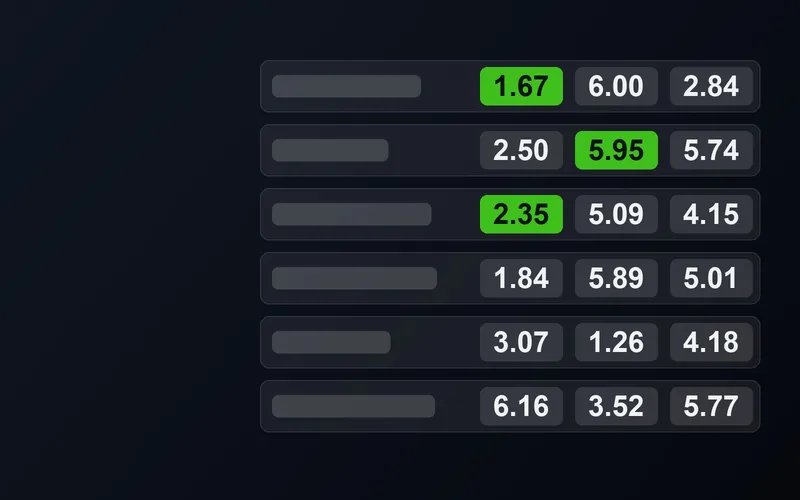
Live betting — also called in-play — lets you bet while a match is happening. The odds you see are not fixed: they move constantly as the bookmaker updates the chance of each outcome.
What moves the odds
- Goals and points — the biggest jumps. A late goal can change a market completely in a second.
- Cards and injuries — a red card changes the balance of a football match for the rest of the game.
- Time — even with nothing happening, odds drift. In a 0–0 game, "under 2.5 goals" gets shorter every minute.
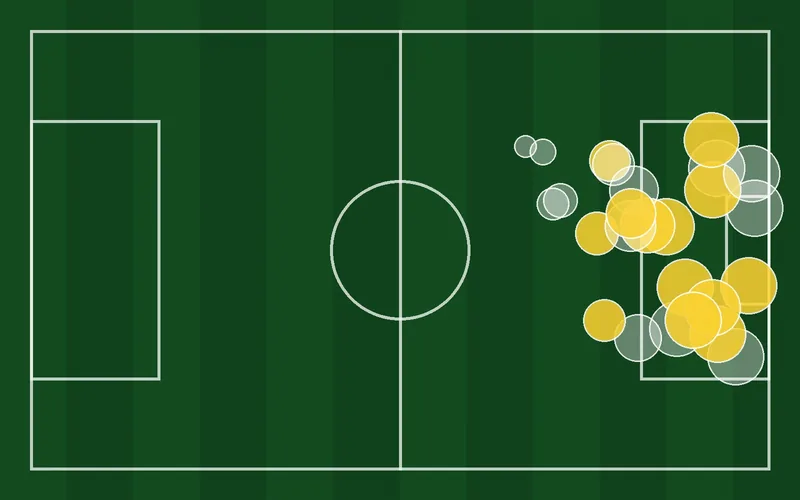
- Momentum and stats — shots, possession and dangerous attacks feed the models behind the prices.
Suspended markets and bet delay
When something important happens — a penalty, a VAR check — markets are suspended for a moment. Many bookmakers also add a short delay before accepting a live bet, and the odds may change in between. If they do, you are usually asked to accept the new price.
Cash out
Many sites offer cash out: settling a bet early for an amount based on the current odds. It can lock in part of a win or cut a loss, but the offered amount includes the bookmaker's margin, so it is usually a bit less than the "fair" value.
The real risk: speed
Live betting is fast, and fast decisions are rarely the best ones. A few simple habits help:
- Decide your budget for the match before kick-off — not during it.
- Avoid chasing: a bet placed to win back the last one is the most expensive kind.
- Remember that TV streams can be several seconds behind the real action.
Treat in-play betting as part of watching the game, not a way to earn from it.